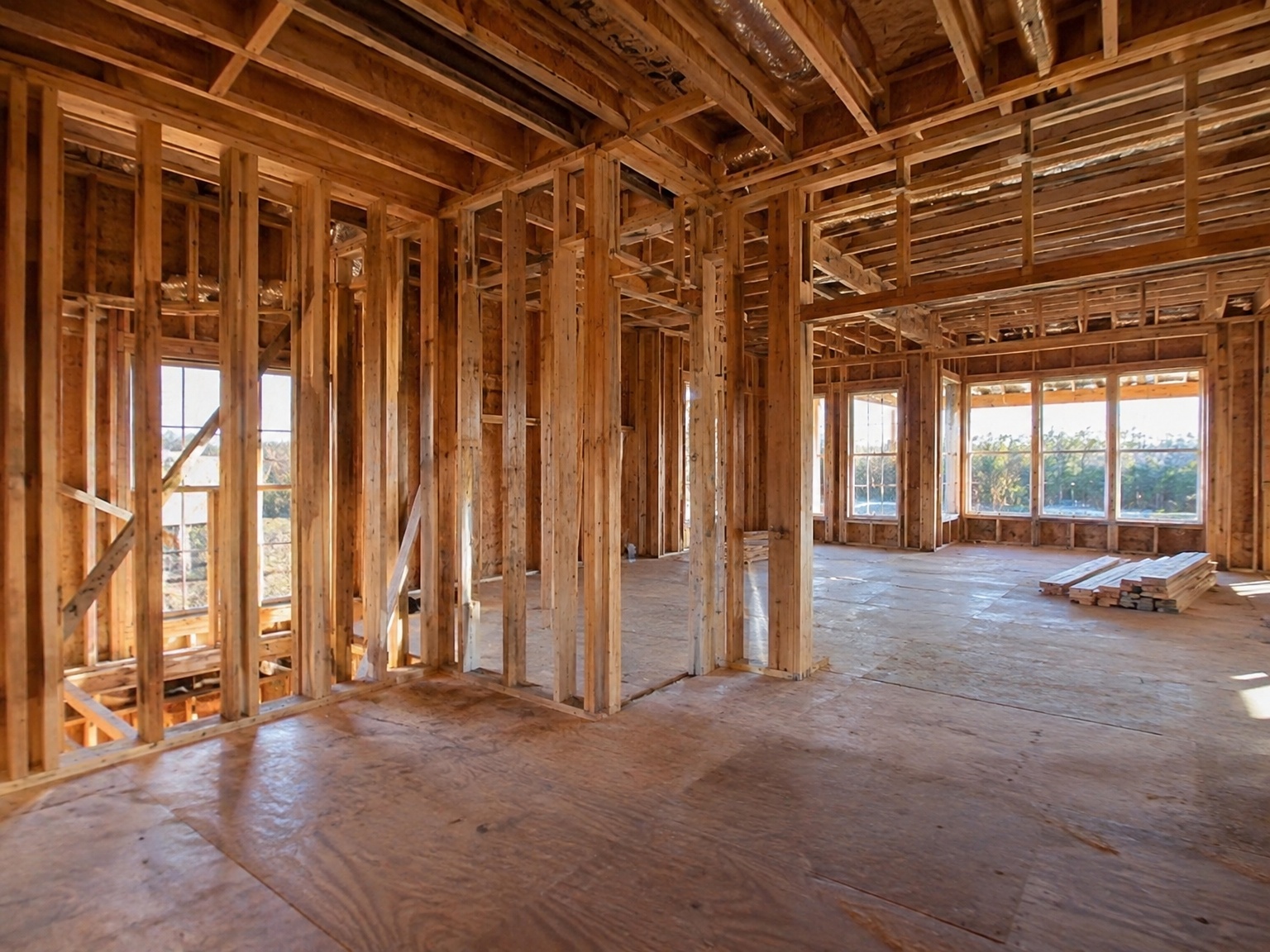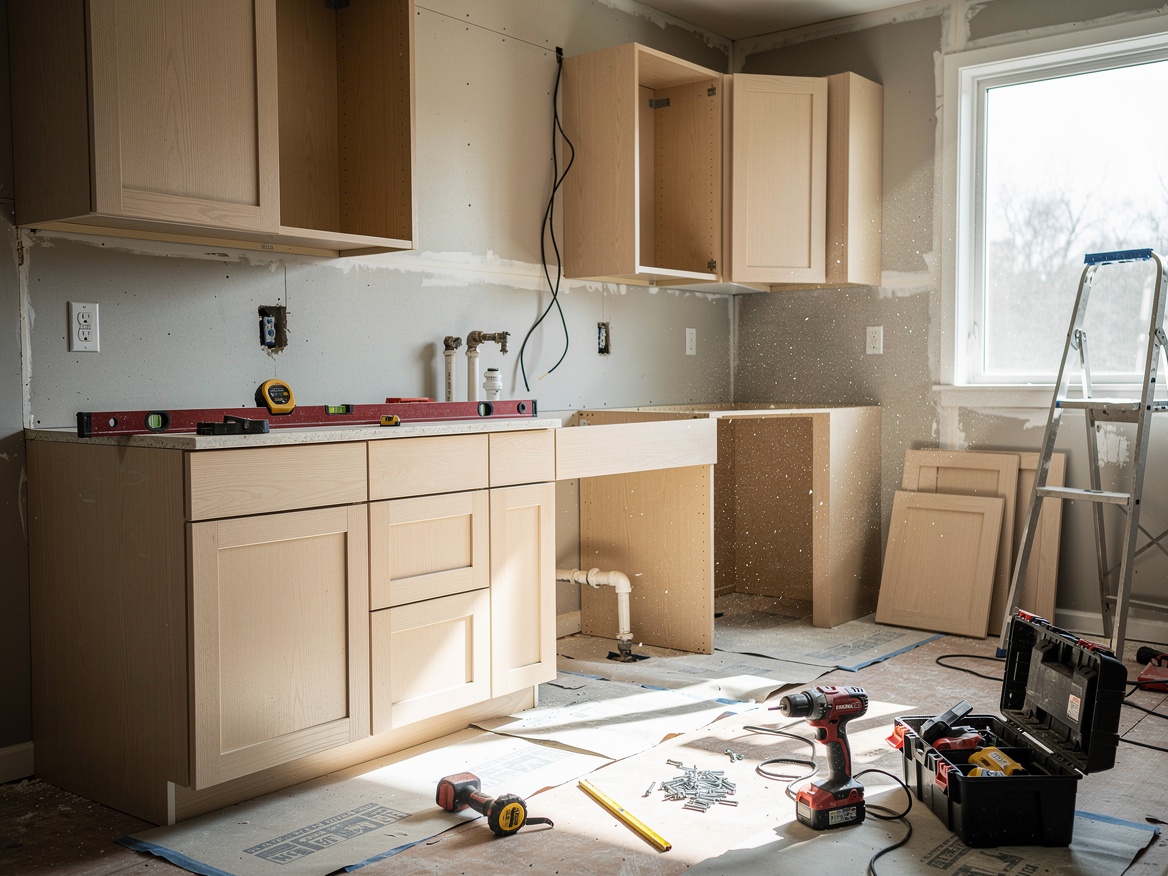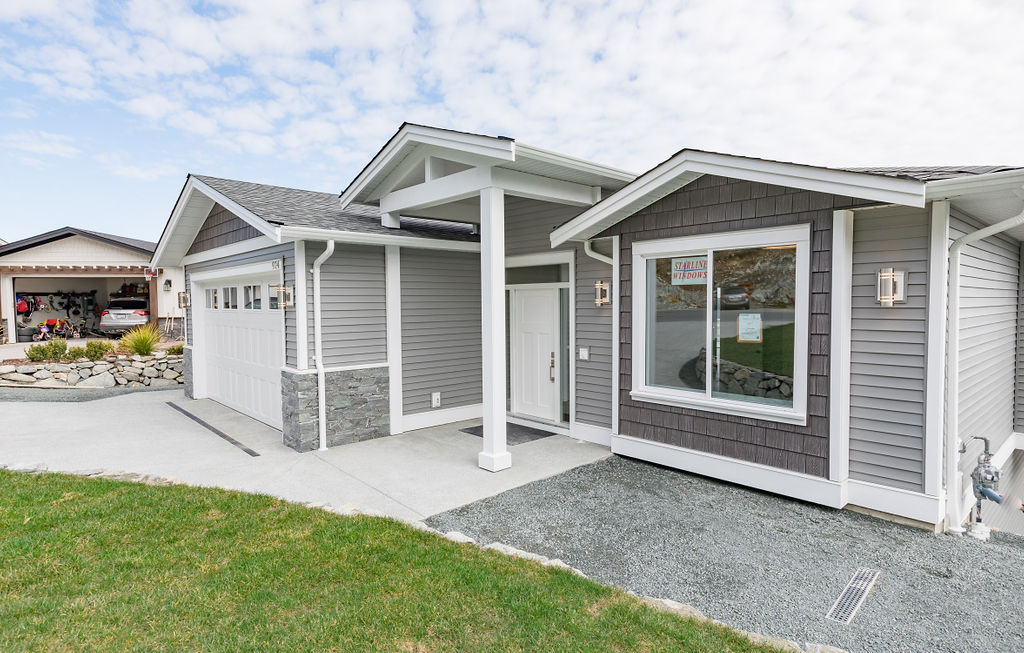
Building a custom home is one of the largest investments most homeowners will make. When choosing a custom home builder on Vancouver Island, it is natural to look at reputation, years in business, completed projects, and the name behind the company. An established reputation can provide confidence, particularly when you are making a significant financial commitment. But reputation is only one part of what you are purchasing. Before selecting a builder, there is another important question worth asking:
What am I actually paying for?
The cost of building a home includes materials, skilled trades, site work, mechanical systems, finishes, and many other tangible components. However, your contract with a builder also pays for something less visible: the systems, people, technology, planning, and management required to bring all of those components together. Understanding the difference can help you compare builders based on the value they provide—not simply the familiarity of the name.
A Custom Home Builder’s Reputation Has Value
There is legitimate value in an established construction brand. A long history and recognizable name can provide reassurance. An established reputation may reduce some of the perceived risk homeowners feel when deciding who will manage a major construction project. That value can also be reflected in pricing. Larger or more established construction companies may have greater administrative overhead, marketing expenses, sales infrastructure, facilities, and other costs associated with operating and maintaining an established brand. There is nothing inherently wrong with paying a premium for reputation.
The important question is whether you understand what that premium is providing to you. When comparing builders, homeowners should look beyond the total price and determine what they will actually receive throughout the construction process.
What Actually Creates a Professional Building Experience?
A custom home involves much more than constructing walls and selecting finishes. Behind the finished home is a complex process involving planning, budgeting, scheduling, trades, suppliers, inspections, documentation, decisions, and ongoing coordination. A professional building experience should provide structure around that process. That includes:
- Detailed pre-construction planning
- Realistic budgeting
- Clear scopes of work
- Organized scheduling
- Professional project management
- Trade coordination
- Documented changes
- Consistent client communication
- Quality control
- Clear accountability
These systems may not be as visually impressive as a portfolio photograph, but they have a significant influence on what it is actually like to build your home.
Project Management Is Part of What You Are Buying
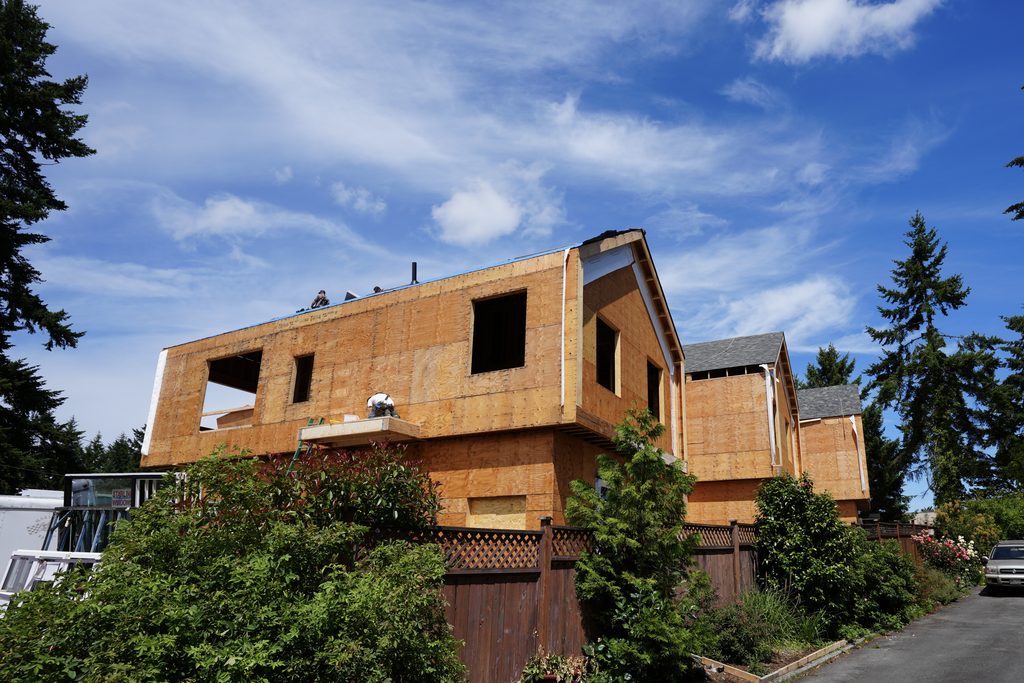
A construction project involves hundreds of individual decisions and dependencies. Framing affects mechanical work. Mechanical work affects drywall. Material selections affect ordering schedules. Client changes can affect trades, budgets, and schedules. Someone has to coordinate all of it. Professional project management should provide a defined process for moving the project from one stage to the next while keeping the homeowner informed. Before selecting a builder, ask:
- Who will manage the project day to day?
- How are trades scheduled and coordinated?
- How is progress tracked?
- How will delays or changes be communicated?
- How are client decisions documented?
- How are deficiencies identified and resolved?
- Who is accountable when a problem arises?
Strong project management is not simply an administrative expense. It is one of the services you are paying your builder to provide.
Transparency Has Financial Value
Construction pricing can be difficult to compare because two proposals with similar-looking totals may include very different assumptions. One builder may include an item another has excluded. Allowances may differ. Specifications may differ. Site preparation, finishes, management, and other costs may be treated differently.
For that reason, the lowest quote is not necessarily the least expensive project—and the highest quote does not automatically represent the greatest value. A transparent builder should be able to explain what is included, what is not included, where allowances have been used, and how changes will affect the budget. Homeowners should understand:
- What is included in the proposed scope
- What assumptions have been made
- Which items are allowances
- How upgrades are priced
- How change orders are approved
- How unexpected conditions are handled
- How budget changes are communicated
The objective is not to eliminate every unexpected cost. Construction projects can encounter unforeseen conditions, and clients can change their minds. The objective is to make sure you understand what is happening to your budget and why.
Technology Should Give You Better Visibility
Construction is a physical business, but the management of a modern construction project should not rely entirely on phone calls, scattered emails, and handwritten notes. Technology can provide homeowners with greater visibility into their project while helping the construction team keep information organized. Digital project management systems can be used to manage:
- Schedules
- Project documentation
- Client selections
- Change orders
- Progress updates
- Photos
- Communication
- Tasks
- Budget information
At Island Heights Construction, we use professional construction management software to help organize project information, track progress, manage documentation, and maintain clear communication throughout the building process. This gives our clients greater visibility into their project while helping our team keep important details organized and accessible.
Technology itself does not make someone a better builder. The value comes from using it consistently to create a more organized, transparent, and accountable construction process. When interviewing a builder, ask what systems will be available to you and how you will be kept informed throughout the project. When interviewing a builder, ask what systems will be available to you and how you will be kept informed throughout the project.
Technical Capability Matters More Than Marketing

A custom home requires a builder to coordinate numerous technical disciplines. Depending on the project, this can include excavation, foundations, structural framing, building-envelope systems, plumbing, electrical, HVAC, insulation, drywall, cabinetry, finishing, exterior work, inspections, and many specialized trades. Each component has to work within the larger project.
This is why construction experience should be considered in terms of capability, not simply the number attached to one particular category of completed projects. Complex residential construction, multi-unit new construction, major renovations, additions, and other technically demanding projects require many of the same core disciplines:
- Estimating
- Scheduling
- Site management
- Trade coordination
- Building-code compliance
- Procurement
- Problem solving
- Quality control
- Budget management
A portfolio can show you what a company has built. Understanding its construction systems can tell you how it builds. Both are worth considering.
Single-Family New Construction Experience
Single-family new construction demonstrates many of the same capabilities a homeowner should evaluate when selecting a custom home builder. The builder must coordinate site preparation, foundations, framing, mechanical systems, building-envelope components, interior finishes, inspections, trades, suppliers, and countless decisions along the way.
The Hannington Project is one example of Island Heights Construction’s single-family residential work and provides prospective clients with an opportunity to see the finished result rather than simply read about the company’s construction experience.
You can also learn more about how Island Heights approaches critical early construction stages, including footings and framing: See the key construction stages behind modern residential builds.
Multi-Family Construction Experience
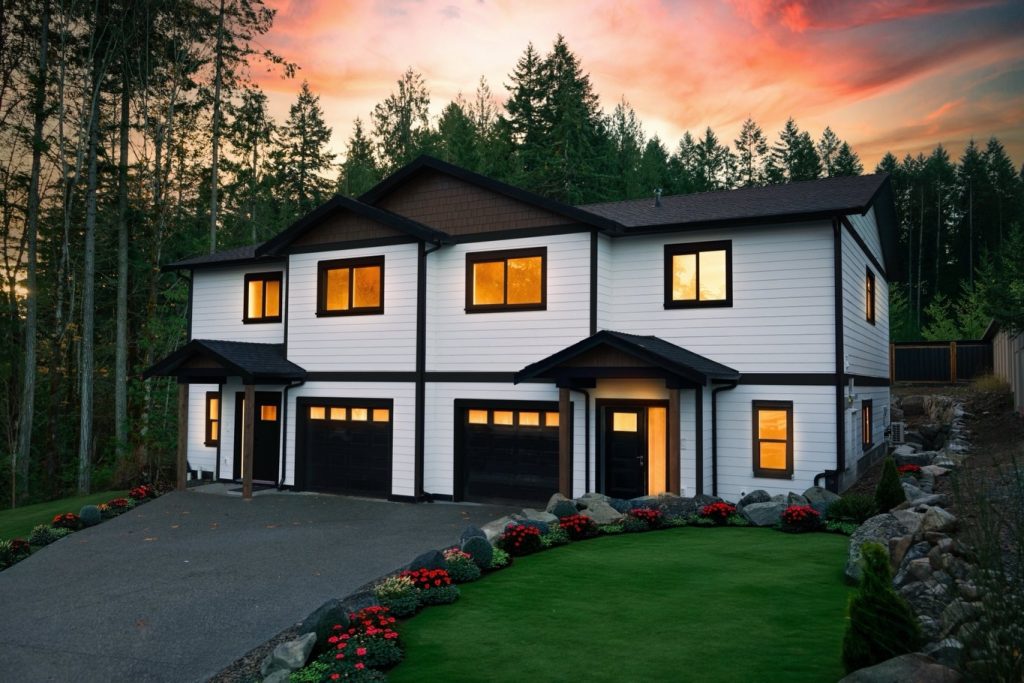
Multi-family construction presents another level of coordination. A duplex or other multi-unit building requires careful planning between individual dwelling units while accounting for structural systems, mechanical services, fire and sound separation, building-code requirements, trades, inspections, finishes, and the overall project schedule.
Island Heights Construction’s Sanderson Duplex Project provides a practical example of this type of residential construction experience. For homeowners or investors interested in the technical considerations behind multi-unit residential construction, learn more here.
These examples help demonstrate an important distinction. A builder’s experience should not be measured by marketing language alone. Completed projects allow homeowners to see how construction knowledge, coordination, and project management translate into actual buildings.
Where Is Your Money Actually Going?
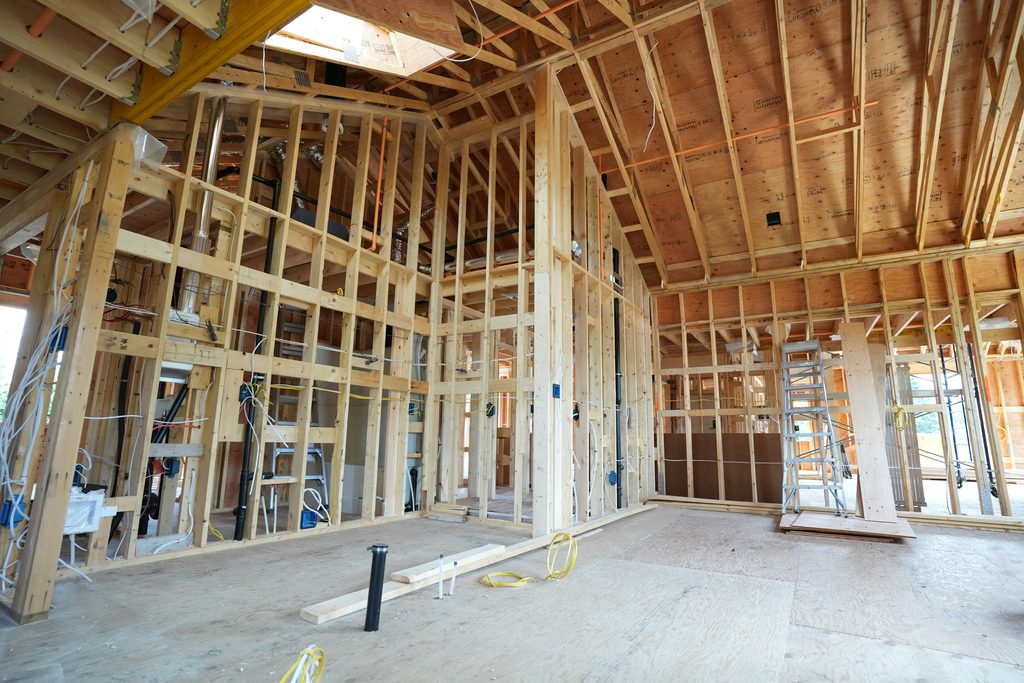
When homeowners see the price of a new home, it can be difficult to understand how that number is created. A substantial portion of the construction budget is directed toward the physical components of the home and the skilled labour required to install them. Depending on the project, major cost categories may include:
- Site preparation
- Excavation
- Foundations
- Structural materials and framing
- Roofing
- Windows and doors
- Exterior finishes
- Plumbing
- Electrical
- Heating and mechanical systems
- Insulation and drywall
- Flooring
- Cabinetry and millwork
- Fixtures and finishes
- Skilled labour
- Permits and professional services
Then there is the cost of managing the project itself. Estimating, scheduling, procurement, supervision, administration, documentation, communication, warranty obligations, insurance, and business overhead all form part of the cost of professionally delivering a home. This is why simply comparing a price per square foot or the bottom line of two proposals rarely tells the complete story. The better question is what each dollar is buying.
When Does Paying More Create More Value?
Sometimes paying more is absolutely worthwhile. Better windows may improve performance. Higher-quality building-envelope components may improve durability. An experienced trade may cost more but produce better work. Additional project management may prevent costly mistakes. Better materials may reduce maintenance over the life of the home. Those are examples where additional spending can create tangible value.
But not every additional dollar necessarily improves the finished home or the client’s experience. This is where homeowners should become more critical consumers. When one builder carries a substantially higher price than another, ask:
What am I receiving for the difference?
If the answer is superior specifications, more comprehensive scope, better service, additional management, or something else that matters to you, the premium may be worthwhile. If a significant portion of the difference comes from company positioning, brand recognition, or overhead that does not materially change your project, you can decide whether that value is important to you. There is no universally correct answer. The important part is making that decision knowingly.
Value Does Not Mean Choosing the Cheapest Custom Home Builder
Evaluating brand premiums should not be confused with shopping for the lowest construction price. A low quote can be just as misleading as assuming the highest-priced builder must be the best. An unusually low proposal may contain:
- Unrealistic allowances
- Missing scope
- Lower specifications
- Inadequate contingencies
- Insufficient project management
- Assumptions that result in additional costs later
The objective should be to compare value rather than price alone. A well-prepared proposal should give you confidence that the builder understands the project and has accounted for what will be required to deliver it.
A Better Way to Compare Custom Home Builders
Instead of beginning with: Who is the biggest name?
or: Who has the lowest price?
Consider asking: Who provides the best combination of construction capability, professional management, transparency, communication, and value for my project? Ask each builder:
- How will my budget be developed and tracked?
- What exactly is included in the proposal?
- How are allowances established?
- Who will manage my project?
- How will I communicate with the project team?
- What project management technology do you use?
- How are schedules managed?
- How are changes documented and approved?
- How are trades selected and coordinated?
- How will I know if the project is moving away from the original budget or schedule?
- What happens when something unexpected occurs?
The answers provide insight into something a portfolio alone cannot show: What it will actually be like to build with that company.
The Island Heights Construction Approach

At Island Heights Construction, we believe clients should understand what they are paying for. Our approach is built around the systems required to professionally manage construction:
- Transparent pricing
- Detailed planning
- Professional project management
- Organized scheduling
- Construction management technology
- Clear client communication
- Trade coordination
- Quality control
- Accountability throughout the project
Our residential construction experience includes single-family new construction, multi-unit residential construction, major renovations, additions, and other complex projects requiring careful coordination between budgets, schedules, trades, materials, inspections, and client requirements.
For example, prospective clients can explore our single-family project to see an example of our residential new-construction work.
Explore the Hannington Project
For an example of our experience with multi-unit residential construction, explore our completed duplex project.
Explore the Sanderson Duplex Project
We bring those same core construction disciplines to custom home construction. The project itself may be different, but successful construction still depends on planning, coordination, technical knowledge, quality control, communication, and accountability. Our goal is not to ask clients to pay for a name. Our goal is to provide the planning, management, technical capability, communication, and construction quality that make the building experience work.
What Are You Actually Paying For?
A recognizable name can provide reassurance. A large portfolio can provide confidence. Those things have value. But when you are investing in a custom home, they should not be the only measures of a builder. Look at the systems behind the company. Look at how the project will be managed. Understand how pricing works. Ask how you will be kept informed. Determine who will be accountable for your project. And most importantly, understand where your money is going.
Because choosing a custom home builder should not simply be about finding the biggest name or the lowest price. It should be about finding the builder that provides the greatest value where it actually matters.
Build Your Custom Home With Island Heights Construction
If you are considering building a custom home on Vancouver Island, Island Heights Construction can help you understand the process, budget considerations, and construction requirements involved before you make major decisions. We believe homeowners deserve clear information, professional project management, transparent communication, and a construction process they can understand.
Contact Island Heights Construction to discuss your custom home and learn more about how we approach planning, pricing, project management, and construction.
Frequently Asked Questions About Custom Home Builders
What should I compare when choosing a custom home builder?
Compare more than the final price. Consider the scope included in the proposal, specifications, allowances, project management, communication systems, scheduling, transparency, construction capability, and how changes are handled throughout the project.
Why can custom home builder prices vary so much?
Pricing can vary because builders may use different specifications, allowances, scopes of work, management structures, overhead, site assumptions, and material selections. Company structure and market positioning can also influence pricing.
Is the most expensive custom home builder necessarily the best?
No. A higher price may reflect additional scope, specifications, service, management, overhead, or other factors. The important question is what additional value the homeowner receives for the difference in cost.
Should I choose the lowest custom home quote?
Not necessarily. A lower proposal may represent good value, but homeowners should verify that the scope, specifications, allowances, project management, and other requirements are comparable before making a decision based on price.
What does professional project management add to a custom home build?
Professional project management coordinates schedules, trades, materials, documentation, client decisions, changes, budgets, and quality control. It provides structure and accountability throughout a complex construction process.
How does Island Heights Construction manage custom home projects?
Island Heights Construction emphasizes detailed planning, transparent pricing, organized scheduling, construction management technology, professional project management, clear communication, trade coordination, and accountability throughout the construction process.